Table Of Content
As mentioned earlier, dust mites require high relative humidity for their survival. It's doubtful that the humidity levels found within air ducts are high enough to support ongoing mite development. Removing heavy accumulations of dust and filth from air ducts may be of some benefit, but should be considered secondary to allergy abatement measures 1-3 listed above. House dust mites have a difficult time surviving when the relative humidity is below 50 percent.
Useful Tips for Eliminating House Mites

If you continue to have allergies despite dust mite prevention, see an allergist for help. The key difference though is that bedbugs literally bite humans and feed off of their blood. Dust mites are difficult to get rid of completely, but removing as many as possible from your home can help prevent allergic reactions. The more you stay indoors, the more you may be prone to dust mite complications.
Effect of HDM Dose on the 4-Week Model Phenotypes
It can reduce the course of allergic disease by changing your body’s immune response to allergens. Dust mites can live in mattresses, your bedding, upholstered furniture, carpets, or even curtains. How long they live depends on their environment but it can be anywhere from one to three months.
Establishment of a mouse model with all four clinical features of eosinophilic bronchitis
Regular cleaning to minimize dust in the home is imperative, especially for those with allergies. Dust mites don’t truly bite, but they can cause rashes and other allergy symptoms. Regularly washing your bedding and vacuuming floors may help get rid of dust mites, while antihistamines, decongestants, or allergy shots may help ease itching and discomfort. Conventional pesticides, such as those utilized by pest control firms or sold to homeowners in grocery and hardware stores, are not to be used for control of house dust mites. Remove rugs and carpets to wash in hot water or vacuum carpeted areas you can’t remove, Dr. Purvhi recommends.
Use Natural Oils to Kill Dust Mites
Dust mites eat skin cells shed by people, and they thrive in warm, humid environments. In most homes, such items as bedding, upholstered furniture and carpeting provide an ideal environment for dust mites. The most common cause of allergies here, says Wu, is the house dust mite, which lives in bedding, clothing and soft furnishings including carpets, curtains, pillows and duvets. The cause is proteins in dust-mite droppings, and – later – the dead mite carcasses. The most common house dust mite species in temperate zones are Dermatophagoides pteronyssinus (Der p), Dermatophagoides farina (Der f) and Euroglyphus maynei (Eur m).
House Dust Mite Allergy
If you’re unable to control the temperature, Craddock says a dehumidifier can help keep your space dry, which isn’t as livable for mites. Dr. Parikh suggests visiting a board-certified allergist or immunologist to determine if you have an allergy to dust mites. Once your allergy is confirmed, you can work with your healthcare provider to determine if immunotherapy treatment is the best option for you. Guidelines for the management of house dust mite hypersensitivity in atopic dermatitis remain unclear and inconsistent due to low-quality clinical trials.
The effectiveness of eradication and desensitisation interventions remains uncertain and should only be considered in patients with atopic dermatitis and proven house dust mite hypersensitivity. To diagnose a dust mite allergy, your doctor may give you a physical exam and discuss your symptoms. If your doctor thinks you have a dust mite allergy, they may suggest a skin or blood test. If you have symptoms year-round, you could have a dust mite allergy. A 2014 study found clove oil can help to get rid of dust mites.
Cross-talk between airway and gut microbiome links to IgE responses to house dust mites in childhood airway allergies ... - Nature.com
Cross-talk between airway and gut microbiome links to IgE responses to house dust mites in childhood airway allergies ....
Posted: Mon, 10 Aug 2020 07:00:00 GMT [source]
To manage mite populations, reduce the humidity below 70% and thoroughly vacuum mattresses, carpets, sofas, and chairs. Very sensitive individuals should encase their mattresses in plastic. Use drapes that can be washed and change bed clothing frequently. Vacuuming does not always remove all the live mites and Korsgaard (1982) stresses reducing humidity over sanitation.
Specific IgE Blood TestBlood tests are helpful when people have a skin condition or are taking medicines that interfere with skin testing. They may also be used in children who may not tolerate skin testing. Your doctor will take a blood sample and send it to a laboratory.
However, the effectiveness is based on the concentration used and the length of time it is left on the dust mite-infested surface. Just like you should wash curtains regularly, you should also wash any hanging clothes that you don't wear often to get rid of dust mites. Store seldom-used or off-season clothing in airtight containers or use garment bags to help minimize dust. One of the easiest ways to get rid of dust mites naturally is to add protective coverings to your mattress, box spring, and pillows. They will create a barrier between you and the mattress or pillow, preventing mites from getting in and out.
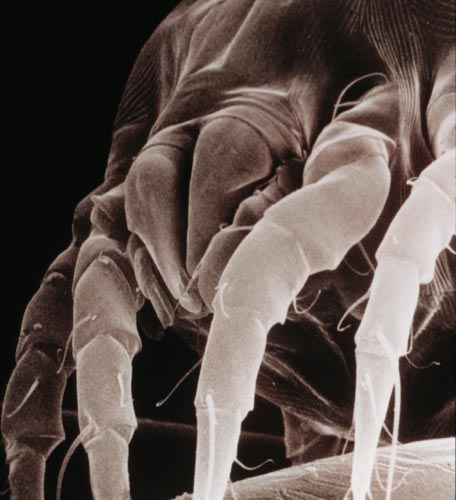
Allergies develop to the house dust mite droppings which can persist after house dust mites have died. Dust mites are microscopic, insect-like pests that commonly live in house dust. They feed on flakes of dead skin, or dander, that are shed by people and pets. These tiny creatures are a big source of allergens and can worsen allergies and asthma. Dust mites can live in mattresses, bedding, upholstered furniture, carpets, and curtains in your home.
Encase mattress, box springs, and pillows in allergen-impermeable covers. Bedding is an extremely important source for dust mite development. Plastic or vinyl covers that zip around mattresses, box springs and pillows seal in allergenic materials so that they are not inhaled while sleeping. They are also easier to keep clean than cotton-based materials.
HEPA filters can also be used within portable air cleaners, placed in bedrooms and other critical areas of the house. The value of such portable room air cleaners may be marginal, however, especially in rooms with good ventilation. The second approach often done in conjunction with patient therapy is to minimize exposure to the mites and their allergenic materials inside the home. This is not a simple process and usually requires significant effort and expense.


No comments:
Post a Comment